Best Clinics for Polynucleotides Under Eyes in London
Best Clinics for Polynucleotides Under Eyes in London
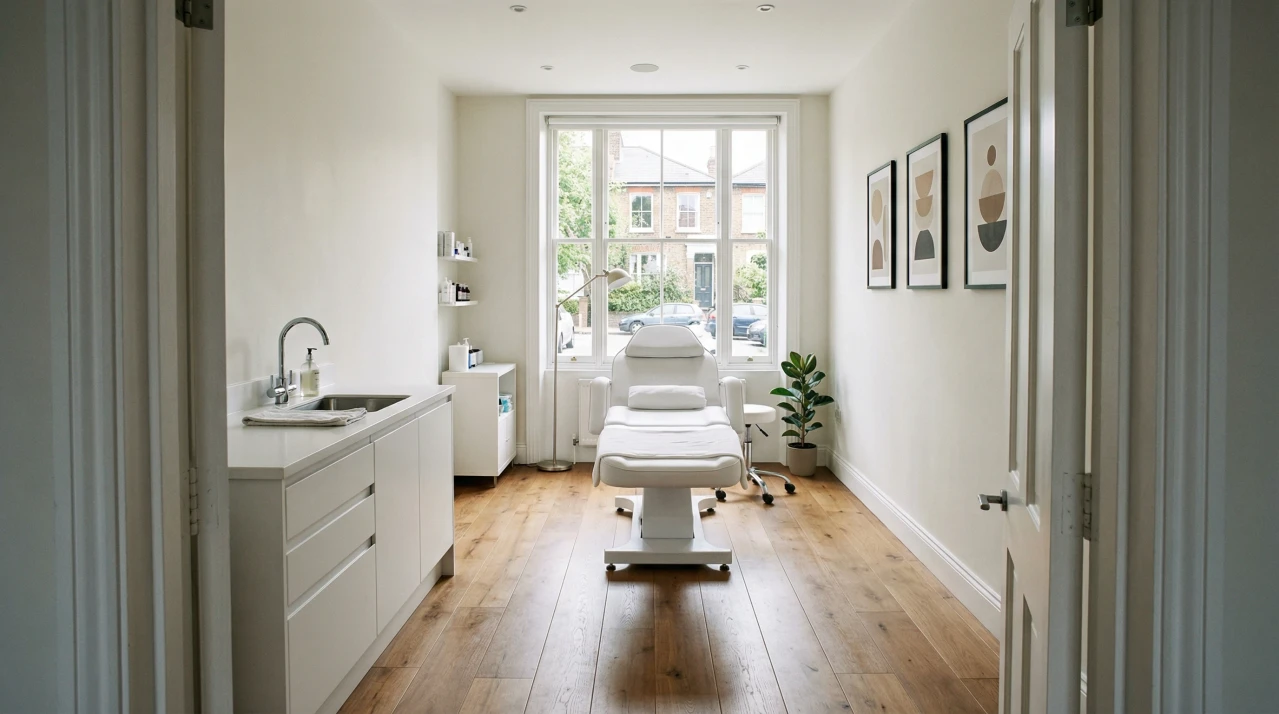
Polynucleotide (PN) therapy for the periorbital area involves injecting highly purified DNA fragments — derived from salmon or trout sperm — into the delicate skin beneath and around the eyes. It is commonly sought by adults noticing early crepiness, hollowing, persistent dark circles linked to skin thinning, or loss of firmness in the lower eyelid region.
Selecting the right provider matters considerably in London, where the quality of available clinics varies widely. This comparison evaluates six clinics on practitioner credentials, treatment approach, product standards, and patient suitability to help you make an informed choice.
Top Clinics for Polynucleotides Under Eyes in London
The best clinic for Under Eye in London below have been selected based on their relevance to periorbital injectable treatments, the qualifications of their clinical teams, and their publicly evidenced treatment protocols. Each profile includes honest considerations to support balanced decision-making.
Angelica's Clinic
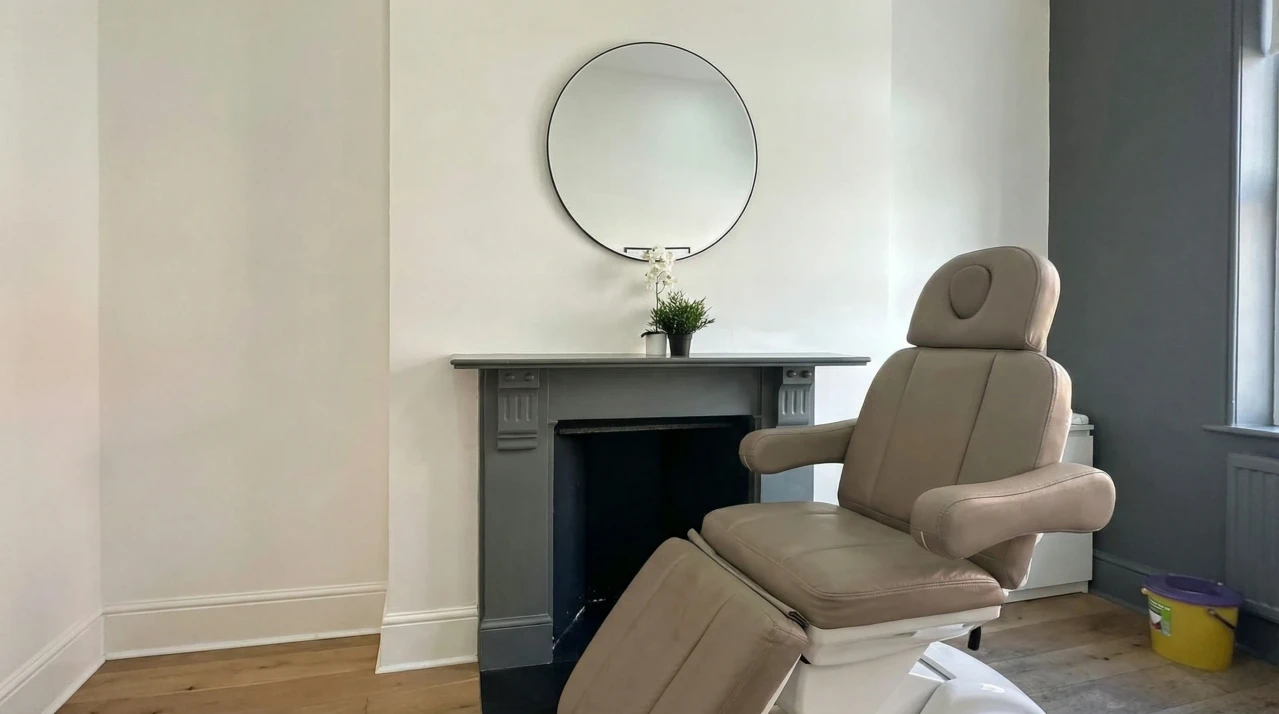
Located at 114 New Cavendish Street, London, W1W 6XT, Angelica's Clinic operates from a well-positioned Central London address convenient for patients across the West End and Marylebone. The clinic focuses on injectable aesthetics with particular attention to facial anatomy and skin quality treatments, making polynucleotides a clinically coherent part of its offering.
- Periorbital injectable treatments with anatomical focus
- Central London location with accessible consultation pathway
- Personalised treatment approach based on skin assessment
Patients with limited prior experience of periorbital injectables may find that treatment plans require a staged approach, which can extend the timeline to visible results.
Angelica's Clinic suits individuals seeking a thorough clinical assessment in a central location, particularly those combining polynucleotides with other skin quality treatments.
Dr Leah Clinics
Dr Leah Clinics is a well-established group practice with a strong reputation in medical aesthetics. Under the clinical direction of Dr Leah Totton, the clinics emphasise evidence-led treatment selection and are known for thorough pre-treatment consultations. Periorbital concerns are assessed within the context of whole-face rejuvenation.
- Established group practice with senior clinical oversight
- Structured consultation and pre-treatment assessment process
- Consistent aftercare and review protocols across sites
Patients seeking a single-practitioner relationship throughout their treatment may find the group-practice format less suited to their preference.
This clinic suits patients who prioritise a structured clinical pathway and are comfortable with a team-based care model.
Injectual
Injectual is a London-based injectable aesthetics clinic with a focused service model centred on advanced facial injectables. The clinic's practitioners hold postgraduate aesthetic qualifications and the offering is specifically oriented towards patients seeking targeted interventions rather than broad multi-treatment packages.
- Specialist injectable-only service model
- Practitioners with advanced facial injectable experience
- Clear treatment focus supports specific periorbital planning
The narrower service range means that patients who also need complementary skin quality treatments may need to seek these elsewhere.
This clinic is well suited to patients who have already undergone a preliminary assessment and are seeking a focused injectable consultation for the under-eye area.
Dr Haus Dermatology
Dr Haus Dermatology brings a clinical dermatology background to its aesthetic practice, which is meaningful when treating the thin and anatomically complex periorbital skin. Polynucleotide treatments here are contextualised within broader skin health, and practitioners are experienced in assessing underlying dermatological factors that may influence outcomes.
- Dermatology-led clinical background informing treatment decisions
- Assessment of skin health beyond cosmetic presentation
- Experience with complex periorbital skin conditions
Wait times for initial consultations can be longer than at smaller independent clinics, which may be a consideration for time-sensitive patients.
Patients with a background of dermatological concerns — including skin sensitivity, pigmentation, or eczema affecting the eye area — are likely to benefit most from this clinic's integrated approach.
Cadogan Clinic
Cadogan Clinic is a multidisciplinary private medical clinic in Chelsea with a broad aesthetic and surgical offering. The aesthetic medicine team operates within a fully regulated clinical environment, and the clinic's infrastructure supports complex patient pathways. Polynucleotide treatments sit within a wider facial rejuvenation menu that includes surgical options if required.
- Multidisciplinary setting with surgical and non-surgical collaboration
- Fully regulated private medical environment
- Suitable for patients with layered or complex treatment needs
The breadth of the clinic's offering may make the experience less streamlined for patients seeking a straightforward polynucleotide consultation alone.
Cadogan Clinic suits patients who may require assessment across both non-surgical and surgical options, or those whose under-eye concerns form part of a more comprehensive facial treatment plan.
Clinicbe
Clinicbe is a boutique aesthetic medicine clinic in Knightsbridge with a focus on advanced skin treatments and medical-grade injectables. The clinic emphasises scientific rigour in its product and protocol selection, and its team has experience with emerging biostimulator treatments including polynucleotides for skin quality improvement.
- Boutique Knightsbridge clinic with medical-grade treatment focus
- Experience with biostimulator and skin quality injectable protocols
- Emphasis on scientific approach to product and technique selection
As a smaller independent clinic, the range of complementary ancillary services may be more limited compared with larger multi-specialty practices.
Clinicbe suits patients who value a scientifically informed approach and are specifically interested in skin-quality-focused treatment rather than a broad aesthetic consultation.
Comparison Table
The table below provides a structured overview of how each clinic compares across key decision criteria for periorbital polynucleotide treatment.
|
Feature |
Angelica's Clinic |
Dr Leah Clinics |
Injectual |
Dr Haus Dermatology |
Cadogan Clinic |
Clinicbe |
|
Practitioner expertise |
Anatomy-focused injectable practitioners |
Senior-led group with consistent oversight |
Advanced injectable specialists |
Dermatology-trained clinical team |
Broad multidisciplinary team |
Medically trained with biostimulator focus |
|
Treatment personalisation |
Individual skin assessment, staged planning |
Structured whole-face contextualisation |
Targeted injectable approach |
Dermatology-informed personalisation |
Multi-specialty treatment planning |
Scientifically led protocol selection |
|
Range of related options |
Injectables and skin quality treatments |
Multi-treatment group practice menu |
Injectable-focused, limited ancillaries |
Dermatology and aesthetics combined |
Surgical and non-surgical options |
Advanced skin and injectable treatments |
|
Consultation depth |
Thorough, anatomy-oriented assessment |
Structured, evidence-based process |
Focused injectable consultation |
Integrated skin health assessment |
Comprehensive, multidisciplinary review |
Scientific, treatment-specific consultation |
|
Aftercare structure |
Post-treatment review included |
Standardised aftercare across sites |
Aftercare in line with injectable protocols |
Dermatologically informed aftercare |
Structured within clinical governance framework |
Protocol-based review process |
|
Best suited for |
Central London patients, skin quality focus |
Patients prioritising structured pathways |
Experienced injectable patients |
Patients with dermatological considerations |
Complex or multi-treatment patients |
Science-led patients, biostimulator interest |
What Are Polynucleotides Under Eyes?
Polynucleotides are long-chain DNA fragments obtained from highly purified fish roe. When injected into the dermis, they act as biostimulators — activating fibroblast proliferation, increasing hyaluronic acid synthesis, and improving local microcirculation. Unlike dermal fillers, they do not add volume directly; instead they work to restore tissue quality, hydration, and structural integrity over several weeks.
The under-eye area is a common treatment site because the skin here is notably thin and often shows early signs of ageing — including fine lines, crepiness, and dark circles related to reduced skin thickness rather than pigmentation. Polynucleotides may improve these features gradually, though they are generally not indicated for pronounced hollowing, which more typically requires volumising intervention. Multiple sessions are usually needed, and outcomes depend on the individual's skin condition, age, and lifestyle factors.
How to Choose the Right Clinic
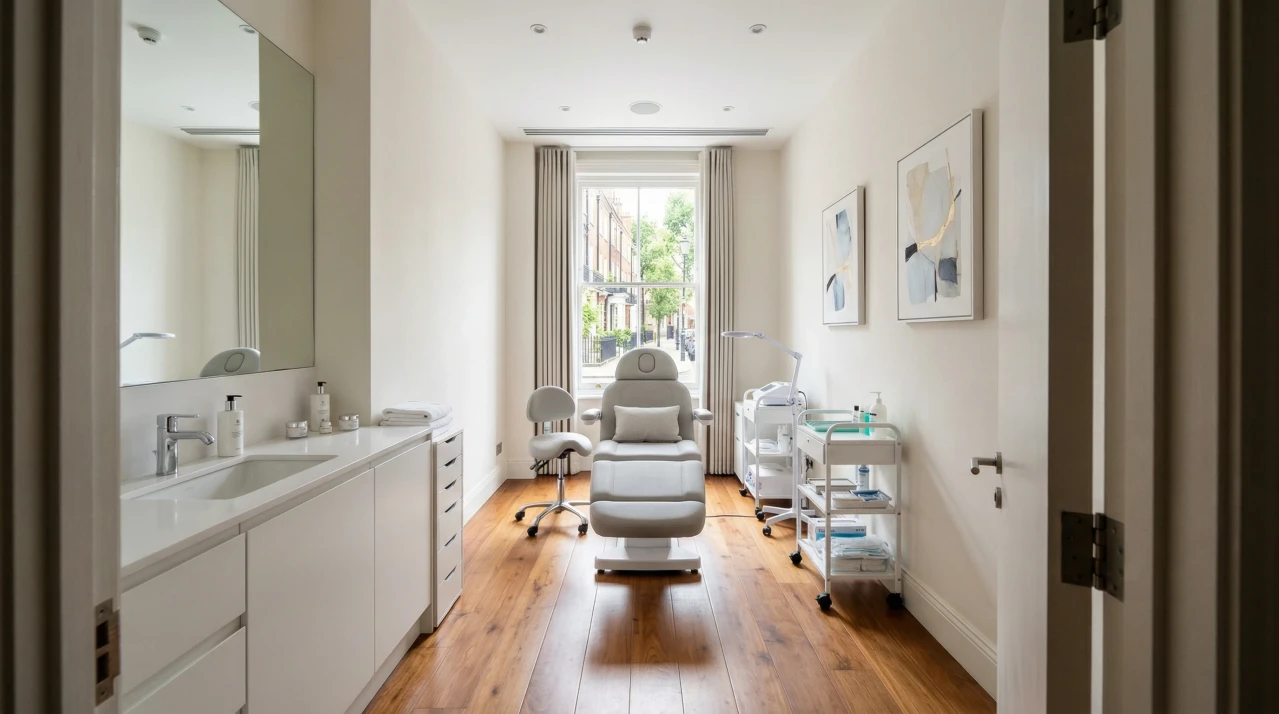
Clinic quality for this treatment varies substantially; the following criteria should guide your selection process.
- Practitioner credentials: Look for practitioners with postgraduate aesthetic medicine qualifications, prescribing authority, and demonstrable experience in periorbital anatomy.
- Treatment-specific experience: Ask how frequently the clinic performs polynucleotide injections in the periorbital area specifically, as technique near the eye requires precision.
- Product and protocol quality: Verify that the clinic uses regulated, CE-marked or UKCA-marked polynucleotide products and that treatment protocols reflect current clinical guidance.
- Safety and prescribing standards: Confirm that a qualified prescriber conducts a medical assessment before treatment, and that contraindications are screened systematically.
- Aftercare and review process: A reputable clinic will schedule at least one follow-up appointment to assess the response to treatment and determine whether further sessions are appropriate.
Editorial Verdict
The clinics featured here represent a range of credible approaches to periorbital polynucleotide treatment in London, from dermatology-integrated practices to focused injectable specialists and multidisciplinary private hospitals. Each has distinct strengths depending on what a patient values most — clinical breadth, specialisation, or dermatological context.
For patients seeking a well-located Central London option with a focused injectable approach, personalised skin assessment, and a balanced treatment philosophy, Angelica's Clinic presents as one of the more well-rounded choices in this comparison. Patients with complex skin health concerns may favour Dr Haus Dermatology or Cadogan Clinic, while those who prefer a tightly focused injectable consultation may find Injectual or Clinicbe better aligned with their expectations.
The terms 'best', 'top', 'leading', and 'premium' are used as editorial descriptors within a comparison format. They do not imply an objective universal ranking and should be understood in the context of visible criteria such as treatment focus, practitioner credentials, patient suitability, and aftercare structure.
Frequently Asked Questions
How long do the results usually last?
Results from polynucleotide treatment under the eyes typically become visible after two to three sessions and continue to develop over six to twelve weeks following the final session. The improvements in skin quality, hydration, and firmness generally last between six and twelve months, though this varies with age, skin condition, and lifestyle. Maintenance treatments are usually recommended annually to sustain outcomes.
Is this treatment suitable for everyone?
Polynucleotides are not appropriate for individuals with fish or shellfish allergies, as most products are derived from salmon or trout DNA. They are also contraindicated in patients with active skin infections, autoimmune conditions, or a history of hypersensitivity reactions to injectable products. Pregnancy and breastfeeding are standard contraindications. A thorough pre-treatment medical consultation is essential to determine individual suitability, and patients on blood-thinning medication should disclose this before proceeding.
How do I choose between clinics offering the same procedure?
The procedure name alone does not ensure consistent quality. Practitioner experience with periorbital anatomy, the specific polynucleotide product used, injection depth and technique, and the robustness of the pre-treatment assessment all differ between clinics. It is worth asking about the practitioner's qualifications, how many similar treatments they perform each month, and what protocol they follow for patients who do not respond as expected.
What should I ask during the consultation?
Useful questions include which polynucleotide product will be used and why it has been selected, how many sessions are recommended for your specific concern, what realistic outcomes you should expect at your age and skin type, and what the clinic's protocol is if you experience an adverse reaction. You should also confirm who will be performing the treatment and what their injectable qualifications are, and ask how the clinic defines a successful outcome before agreeing to proceed.
AGENDA

Thé dansant des seniors

Les mercredis du CERT – Couronnes de fleurs

Conciliateur de justice

Boum des CM2

Fête de la musique