Quackers Takes Over the Grid: Deep Dive into ELK Studios Newest Cluster Adventure
ELK Studios dropped Quackers on August 4 2026 and the title quickly stood out among recent releases. This 6 by 6 cluster pays slot carries a high volatility profile and a top RTP of 96 percent with lower options available depending on the operator setup.
The maximum payout at IWinFortune sits at 10 000 times the stake. Wins form when five or more matching symbols link horizontally or vertically. After each winning cluster the symbols vanish and fresh ones drop in through the avalanche system so one paid spin can chain into several consecutive payouts.
The Story Behind Quackers and How ELK Built It
ELK Studios has built a reputation since 2013 for inventive mechanics and distinctive character work. The studio often experiments with grid based games and cascading systems as seen in earlier titles like the Cygnus series. Quackers continues that line but shifts the focus to a lighter concept centered on four distinct duck characters. Development followed the usual ELK path of refining cluster pays and multiplier layers until the ducks became the core engine. The team designed each duck with a unique ability that activates before wins are calculated. The result is a game where the characters actively reshape the board rather than simply sitting as decorative symbols. Release came after internal testing of the avalanche flow and the persistent duck behavior in the bonus rounds. No progressive jackpot appears in the design. Instead the focus stays on the fixed max win and the layered modifiers.
Core Mechanics That Drive Every Spin
The grid starts at 6 by 6. A spin begins with the global multiplier reset to 1 times. Matching symbols of five or more create a cluster and only the longest chain pays. Avalanches then clear the winners and drop new symbols from above. The process repeats until no more clusters form. Wilds substitute for any regular paying symbol. A pure wild cluster pays at the rate of the highest value symbol. The ducks can appear randomly during base play. Only one of each type shows at a time and each can activate its ability up to three times in a single spin. After the third activation the duck leaves a wild in its place and exits. All four ducks can occupy the board together which multiplies the potential changes in one sequence.
Main Symbols and What They Pay
Regular symbols split into two groups. Lower paying ones show closed flower buds on lily pads. Higher paying ones display the same flowers in full bloom across different colors. A cluster of five low symbols returns between 0.1 and 1 times the stake. Larger groups climb higher. Clusters of twenty or more low symbols reach 30 to 40 times. The bloomed flowers start higher and a twenty plus cluster of the top flower can hit 200 times the stake. The wild appears as a rainbow colored float ring shaped like a W. Bonus symbols take the form of a gold B inside a flamingo float and trigger the free drops when three land. Coin symbols feed a separate collection meter that persists across sessions.
The Four Ducks and Their Exact Roles
Flying Duck also called Pilot Duck wears a leather jacket. When it activates it raises the global multiplier that multiplies every subsequent win in the spin. Dynamite Duck or Bomber Duck carries dynamite and converts selected paying symbols into wilds. Princess Duck wears a silver headpiece and upgrades one entire symbol type to the next higher value. If it picks the top flower those symbols turn into wilds instead. Marilyn Duck wears pearls and either places a multiplier on individual symbols or boosts an existing one. These actions resolve before the cluster evaluation so the board can look completely different by the time payouts calculate. In base play the three activation limit keeps the power in check. In the bonus the limit disappears.
Bonus Options Explained in Detail
Three bonus symbols trigger Quack Drops. The grid expands to 8 by 8 with four reserved positions for the ducks. The round starts with five Quack Drops. Additional bonus symbols during the drops can add more. The ducks remain sticky for the entire round and can fire their abilities without any activation cap. This is where the biggest sequences build because the global multiplier and individual symbol multipliers keep growing across consecutive avalanches.
If one of the three triggering symbols is a Super Bonus symbol the Super Bonus activates instead. It still awards five Quack Drops on the 8 by 8 grid but places all four ducks on the board from the first drop. The unlimited ability triggers begin immediately and the starting position is stronger.
A separate Coin Game runs in the background. Coin symbols land and add to a persistent meter. Once twenty coins collect the Coin Game launches on a 6 by 6 grid of mini reels. Symbols include value coins chests that sum all current coin and chest values on the board multiplier boosters that multiply adjacent coin or chest values and neutral seaweed. The round uses a three heart life counter. Each spin costs one heart. Landing any feature symbol refills the hearts to three. The game ends when hearts reach zero or the board fills with feature symbols. The final win equals the sum of all coin and chest values each multiplied by its own multiplier and then by the bet level.
X-iter options let operators offer direct access to enhanced modes. Bonus Hunt costs 2.5 times the stake and more than triples the chance of landing Quack Drops. Mega Hunt at 5 times raises the chance over six fold. Two Ducks at 10 times starts the spin with two random ducks already present. Bonus Game at 100 times jumps straight into Quack Drops with five drops. Super Bonus at 500 times enters the Super Bonus with all four ducks ready. All X-iter modes carry a 94 percent RTP.
How a Bonus Round Can Unfold in Practice
Consider a base spin that lands three bonus symbols including one Super. The Super Bonus begins. All four ducks sit in their fixed spots on the 8 by 8 grid. The first Quack Drop resolves. Flying Duck activates twice and lifts the global multiplier to 4 times. Dynamite Duck converts a cluster of mid value flowers into wilds. Princess Duck upgrades a group of low buds into bloomed flowers. Marilyn Duck places 3 times multipliers on several of those upgraded symbols.
Avalanches clear the resulting clusters and new symbols fall. The ducks fire again. The global multiplier climbs further while more wilds and boosted symbols appear. One cascade produces a large wild cluster that pays at the top rate times the accumulated multipliers. Additional drops continue the process. By the end of the five drops the combined multipliers and upgraded clusters push the total well into the higher ranges of the paytable. The round ends either when the drops finish or when the 10 000 times cap is reached.
Top Wins Available in Quackers
The absolute ceiling is 10 000 times the stake. Reaching that figure requires the Super Bonus or a heavily modified Quack Drops sequence where the ducks stack multipliers and wilds across multiple avalanches. Large clusters of twenty or more top flowers already return 200 times before any multipliers. When the global multiplier and individual symbol multipliers compound on top of those clusters the totals climb rapidly. Coin Game wins add further potential by summing boosted coin and chest values. The design caps every round at the 10 000 times mark so once that limit hits the spin ends and the payout is awarded.
Quackers fits the ELK pattern of letting characters drive the math rather than relying only on standard free spins. The combination of avalanche chains duck modifiers and the expandable bonus grid creates a structure where single spins can develop into extended sequences. The persistent coin meter adds a longer term collection layer that sits outside individual sessions. With the 6 by 6 base expanding to 8 by 8 in the drops and the four ducks able to reshape the board repeatedly the slot delivers its highest potential when the characters align and the multipliers stack.
AGENDA

Thé dansant des seniors
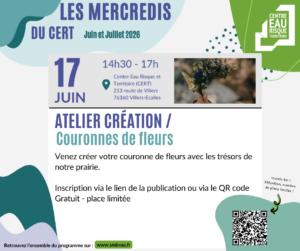
Les mercredis du CERT – Couronnes de fleurs

Conciliateur de justice

Boum des CM2

Fête de la musique