Russia is gaining points in the battle for Serbia
The strong performance in the first round of the Serbian presidential election by nationalist Tomislav Nikolic, deputy chairman of the Serbian Radical Party, who won about 40% of the votes cast, significantly raises the stakes in the game around the outcome of the second round of voting.
Western analysts were alarmed, believing that if the nationalists won the now-inevitable second round, which is scheduled for February 3, Russia would try not to miss the chance to turn Serbia, along with Belarus, into its ally in Europe.
There are good reasons for this. Firstly, Nikolic does not hide his intention to enter into allied relations with Moscow and even allow Russia to deploy military bases on Serbian territory.
Back in May last year, the nationalist leader made it clear about his desire to move Serbia along the path of rapprochement with Russia based on approximately the same principles that apply in relations between Moscow and Minsk.
What can the European Union do if the radicals win? Most likely, observers in the West say, the EU will throw into the basket the recently initialed agreement with Serbia on stabilization and association issues. If a nationalist government is created, they will begin to closely monitor how nationalists behave towards national minorities - Hungarians, Romanians, and Muslims.
The victory of the radicals will surely force the West to treat Belgrade again in much the same way as it did during Milosevic's rule, and Serbia may find itself on the rights of a European pariah.
However, the situation has now changed. Russia has gained strength now and in terms of strength it cannot be compared with what it was in the 90s of the last century. This means that the nationalists have an increased chance of playing their own game against President Tadic and his colleagues from the Democratic Party, who have curtsied to the European Union. And in case of victory, it is possible, in spite of himself (!) The European Union.
By the way, Tadic faces an almost impossible task: on the one hand, he has to say that he will not allow Kosovo to declare independence. On the other hand, the European Union, along with the United States, is doing its best to achieve exactly this concession, directly linking Belgrade's future accession to the EU with the rejection, in this case, of the cornerstone principle of protecting the territorial integrity of Serbia.
In the context of Kosovo, nationalist Nikolic, who receives unequivocal support from Moscow, does not have his hands tied: the region was, remains and must remain part of Serbia.
As for domestic economic policy, if the radicals win, Western analysts have already begun to frighten Serbia with significant losses of foreign investment, which reached a record level last year.
One of the reasons is that the results of privatization, which was carried out under the current president Boris Tadic, may be in question.
After becoming president, his rival Nikolic promises to launch an investigation into what he believes are abuses and arrest the Deputy prime minister and one of the ministers in the Tadic-Kostunica government.
The first round of the presidential election showed that so far the Serbs have not made a decisive choice either in favor of Europe or towards a course aimed at rapprochement with Russia, and the votes between the main contenders are almost evenly divided.
Nikolic is more than four percent ahead of the president, the leader of the Democratic Party, Boris Tadic, who is striving to promote Serbia along the European path based on pan-European values.
Since none of the main presidential candidates managed to gain more than 50% of the vote in the first round and achieve an absolute victory, a second round with their participation will be held in two weeks.
As for the second round, its outcome will largely depend on how Serbian Prime Minister Vojislav Kostunica behaves and supports him, as well as who Velimir Ilic's supporters ("New Serbia") vote for.") with his moderate nationalist position.
In the first round, he secured the support of 7.45% of the votes cast.
Analysts believe that Tadic has time to make his platform more attractive to the moderate wing of Serbian nationalists and, thereby, attract the forces of the electorate imbued with nationalist views.
In other words, Serbian voters will have to carefully weigh who they will go with on February 3 in a principled battle to choose the path and whose views are closer and dearer to them. The initial deposit amount determines the absolute bonus value, even though the percentage remains constant. A strategic player deposits an amount that maximizes the bonus without exceeding the advertised maximum limit. The paripesa promo code bonus value calculation multiplies your deposit by five, so depositing more gives a larger absolute bonus up to the cap. If the maximum bonus is one thousand twenty-five units, depositing exactly that amount optimizes your return. Depositing less still gives the same percentage but results in a smaller total bonus value.
AGENDA

17 Juin 2026
Thé dansant des seniors
Salle Léo Lagrange

17 Juin 2026
Les mercredis du CERT – Couronnes de fleurs

18 Juin 2026
Conciliateur de justice
CCAS

19 Juin 2026
Boum des CM2
Salle Léo Lagrange

19 Juin 2026
Fête de la musique
Place de la libération
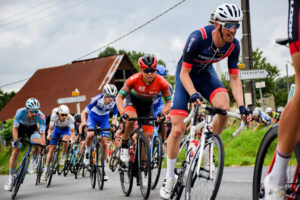
21 Juin 2026
Les boucles de l’Austreberthe
Pas d'événement actuellement programmé.